Bradley Bug Stencil: A Designer's Review for Real Embroidery Projects
As a designer who spends hours evaluating embroidery files before they ever touch a machine, I look for more than just pretty shapes. I need to know how a design will behave in the real world. Will it hold up after twenty washes? Does it translate well from a digital screen to a textured fabric? When I first encountered Bradley Bug Stencil, my immediate reaction was one of practical curiosity. It is a Sans Serif font designed specifically for stenciling, and that distinction changes everything about how it should be used in an embroidery project.
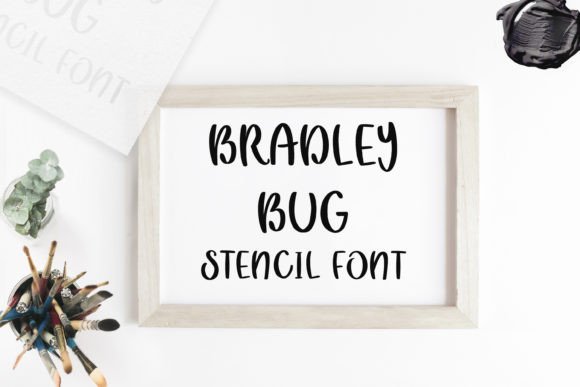
The product description notes that letters like O, B, D, and A are not closed. At first glance, this might seem like a flaw or a lack of detail. However, in the context of embroidery and stenciling, this is a deliberate feature that solves a major headache. This open-letter structure makes weeding significantly easier and prevents thread clumping, which is a common issue when trying to stitch small, enclosed negative spaces. For anyone running a craft business or creating personalized gifts, saving time on weeding and stabilizing can make the difference between a profitable workflow and a frustrating afternoon.
First Impressions: The Mood and Visual Personality
The visual personality of Bradley Bug Stencil is clean, modern, and approachable. Because it is a Sans Serif style, it lacks the decorative flourishes of script fonts, giving it a straightforward, utilitarian vibe. Yet, the stencil effect adds a layer of artistic texture that feels handcrafted rather than mass-produced. It creates a mood that fits perfectly with contemporary brands, boutique shops, and handmade items that want to feel authentic but polished.
When I visualize this font on a finished product, it doesn't scream "expensive luxury," nor does it look cheap. Instead, it strikes a balance that says "quality handmade." The open counters in the letters allow light to pass through the stitches (if viewed as a cut-out) or prevent dense thread buildup (when stitched), ensuring the design remains legible even at smaller sizes. This clarity is crucial for branding, where recognition is key.
Real-World Application: The Custom Tote Bag Scenario
To truly understand how Bradley Bug Stencil performs, let's imagine a specific scenario. I am preparing a custom embroidered tote bag for a local artisan market. The client wants a simple, bold message that reads "MADE WITH LOVE" on a natural canvas background. They need the design to be durable enough for daily use but also visually striking without being overwhelming.
I pull up Bradley Bug Stencil for this project. The sans-serif geometry works beautifully with the sturdy canvas weave, avoiding any risk of the threads sinking into the fabric too deeply. Because the letters are open, I don't have to worry about the center of the 'O' or 'A' collapsing under the tension of the satin stitches. The result is a crisp, professional-looking design that looks intentional rather than accidental. Customers walking by the booth would likely appreciate the clean lines and the slight rustic charm of the stencil aesthetic. It elevates a basic tote bag into a cohesive brand asset.
This same logic applies to other popular items like sweatshirts, baby clothes, or holiday gifts. The font's simplicity ensures it won't clash with busy patterns often found on children's wear or seasonal fabrics. Whether you are creating a patch for a denim jacket or a kitchen towel for a wedding gift, Bradley Bug Stencil provides a consistent visual anchor that ties the product together.
Where to Use It With Caution
While this design has many strengths, no single embroidery file is perfect for every situation. As an experienced reviewer, I must point out where Bradley Bug Stencil requires extra care. If you are working with small hoop sizes, you need to verify that the letter spacing holds up. While the open letters help, extremely tight kerning on a tiny label could still cause thread breaks.
Textured fabrics, such as heavy fleece or bouclé, can sometimes hide the fine details of a stencil font. On these materials, the open spaces might get filled with fabric fuzz, reducing the intended contrast. Similarly, stretchy fabrics require a stable base; if the stabilizer isn't adequate, the tension of the stitches might distort the straight lines of the sans-serif letters, making them look wavy or uneven.
Dense stitch areas are another consideration. Although the open letters reduce density, filling large areas with fill stitches around the letters requires careful planning. If you are using dark fabric, ensure your thread colors provide enough contrast to make the stencil effect pop. In some cases, a lighter thread on a dark background might get lost if the stitch density is too low.
Impact on Product Value and Brand Consistency
For Etsy sellers and small shop owners, the choice of font directly impacts perceived value. A sloppy or overly complex design can make a handmade product look amateurish. Bradley Bug Stencil, with its clean geometry and thoughtful construction, signals professionalism. It suggests that the maker cares about the technical execution of their work.
This font supports brand consistency across different product types. You can use it on a printable mockup for your online store, then transfer the same design to a physical pillow cover or apron without losing the core identity of the message. The visual appeal of the stencil style adds a unique touch that distinguishes your merchandise from generic, mass-market items. Buyers are increasingly looking for unique, hand-stitched details, and this design delivers exactly that.
Practical Designer Notes for Success
Before committing to a full production run, always test the design on scrap fabric. This step is non-negotiable for any serious embroiderer. Check the thread color contrast against your specific fabric choice. Sometimes a color that looks great on a monitor fails to show up on a textured linen or a dark cotton blend.
Review the stitch density carefully. Ensure that the machine settings match the recommended parameters for the chosen thread type. Confirm the hoop size before starting; if the design is too large for your hoop, you may need to split the text or adjust the placement. Inspect small details closely, especially the open areas of the letters, to ensure they are stitching cleanly without excessive thread buildup.
It is also wise to test the design in black and white mockups. This helps you see the true shape and flow of the letters without the distraction of color. Compare the results on both light and dark fabric backgrounds to determine the best combination for your final product. Always use proper stabilizer to support the fabric during stitching, preventing puckering or distortion.
Finally, confirm whether the license allows for commercial use if you plan to sell finished items. Some designs are for personal use only, while others permit selling the final embroidered product. Checking these terms protects your business and ensures you are using the design assets legally.
In conclusion, Bradley Bug Stencil is a versatile tool in the arsenal of any embroidery designer. Its unique stencil features solve practical problems related to weeding and stability, while its clean aesthetic fits seamlessly into a wide range of projects. From custom apparel to personalized gifts, this font offers a reliable way to create high-quality, professional-looking embroidery that customers will love.