Coffee Shop Script Review: A Designer's Real-World Test
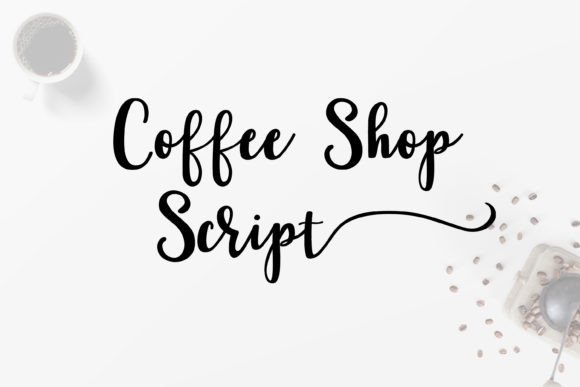
When I first opened the Coffee Shop Script file, my immediate reaction wasn't about stitch counts or file formats. It was about the vibe. There is a specific energy that comes with hand-brush typography, and this design captures it perfectly. As someone who spends hours tweaking digitization settings and testing thread colors on scrap fabric, I look for fonts that feel authentic rather than manufactured. This script amp delivers a thick, cursive personality that screams "handmade" without sacrificing readability. It feels like the kind of font you'd find scrawled on a chalkboard menu in a bustling downtown cafe, but ready to be stitched onto your next best-selling product.
The First Stitch: Mood and Visual Personality
The visual weight of Coffee Shop Script is its strongest asset. In the world of embroidery, thin lines often disappear into the fabric texture, especially when using standard polyester threads. However, this font is designed to be thick, which immediately solves one of the most common headaches for machine embroidery designers. The brush strokes have a natural flow that suggests movement and warmth. When I laid out the letters on my screen, they didn't look stiff or robotic; they looked fluid. This makes it an ideal choice for projects where you want to convey a sense of approachability and artisanal quality.
The legibility remains high even as the curves tighten. For a designer creating custom apparel or boutique branding, this balance is crucial. You don't want a customer squinting at a logo on a tote bag trying to decipher if it says "Brew" or "Broo." The thick cursive style ensures that the message lands instantly. It creates a mood that is cozy, inviting, and distinctly personal, making it perfect for anything from a nursery wall hanging to a professional shop sign.
Real Project Scenario: The Custom Apron Challenge
To truly test the potential of Coffee Shop Script, I decided to run a simulation based on a real client request. Imagine you are preparing a batch of personalized aprons for a local bakery to sell at a holiday market. The client wants the bakery's name embroidered across the chest in a stylish, handwritten font. They need something that looks professional enough to command a higher price point but friendly enough to match their brand identity.
This is where Coffee Shop Script shines. Because the font is thick and bold, it holds up well against the textured weave of cotton twill or canvas often used for aprons. If I were stitching this, I would likely use a satin stitch for the main lettering to give it that glossy, premium finish that customers associate with quality. The thickness of the script ensures that the fill stitch density won't cause the fabric to pucker, a common issue with thinner scripts on heavy materials.
Furthermore, the aesthetic fits the narrative of a small business selling handmade goods. A customer walking through a craft fair sees a row of aprons with crisp, thick lettering, and they immediately perceive value. It elevates the perceived worth of the item. Whether this is for a kitchen towel, a baby onesie, or a patch for a denim jacket, the font bridges the gap between a DIY project and a commercial-grade finished product.
Performance Across Different Embroidery Projects
The versatility of this design extends far beyond just aprons. I've been thinking about how this script would translate to various mediums that are popular among Etsy sellers and craft business owners. For custom sweatshirts, the bold nature of the letters stands out beautifully against fleece or jersey knits. The thick strokes prevent the thread from sinking too deep into the pile, ensuring the design remains vibrant wash after wash.
For smaller items like caps or patches, the font requires a bit more strategic placement. While the letters are legible, the curves of a cap can distort certain angles. However, because Coffee Shop Script has such strong character, it can handle the curvature better than delicate, hairline fonts. It works exceptionally well for holiday embroidery projects, such as festive pillows or tea towels, where a warm, inviting message is essential. The font also pairs nicely with digital embroidery files used for printable mockups, allowing you to showcase your products realistically before you even cut the fabric.
In the realm of commercial embroidery, consistency is key. Clients expect their logos to look the same every time they order. The uniform thickness of this script helps maintain brand consistency across different products, whether it's a tote bag design or a set of baby clothes. It provides a stable foundation for your creative direction, allowing you to focus on color palettes and composition rather than worrying if the letters will hold together.
Where Caution Is Required
Despite its strengths, no single design is perfect for every situation. As an experienced reviewer, I need to highlight where Coffee Shop Script might struggle. Small hoop sizes are the primary concern here. If you attempt to fit this thick, cursive font into a tiny 4x4 inch hoop, the spacing between the letters might become cramped, or the curves might get cut off. Always check your hoop size requirements before committing to a final run.
Texture is another factor to consider. On highly textured fabrics like bouclé or heavy chenille, the smooth lines of the script might get lost in the material's surface. Similarly, stretchy fabrics require careful stabilizer selection. While the font itself is robust, the underlying fabric movement can cause distortion if not properly supported. Dark fabrics can sometimes swallow up lighter thread colors, so contrast is vital. If you plan to use light-colored thread on dark fabric, ensure the stitch density is sufficient to cover the background completely.
Detailed corners and tiny lettering should be approached with care. Although the font is thick, if you scale it down too much for a small tag or a miniature patch, the intricate brush details might merge into a solid blob during the stitching process. Always inspect small details on a test piece before running a full production batch.
Practical Notes for the Design Professional
If you are planning to integrate Coffee Shop Script into your workflow, there are several technical steps you must take to ensure success. First and foremost, always test the design on scrap fabric that matches your final project material. This allows you to see how the stitch density interacts with the specific weave of your cloth. Check your thread color contrast carefully; a color that looks great on a screen might look muddy under the needle.
Review the stitch density settings in your digitizing software. If the fill stitch is too dense, you risk puckering; if it is too sparse, the design will look weak. Confirm that your hoop size accommodates the width of the script without cutting off the edges. Inspect the small details of the brush strokes to ensure they aren't losing definition. It is also wise to test the design in black and white mockups to verify that the shape reads clearly without relying on color alone.
Don't forget to compare how the design looks on both light and dark fabric backgrounds. Using the proper stabilizer is non-negotiable for maintaining the integrity of the thick lettering. Finally, confirm the licensing terms before selling finished items or digital products. Ensure you have the right permissions for commercial use if you are creating merchandise for your small shop product line.
Final Verdict on Value and Trust
Ultimately, the choice of a font impacts the entire perception of your brand. Coffee Shop Script adds a layer of professionalism and thoughtfulness to your handmade products. It signals to the buyer that you care about the details, which builds trust and encourages repeat purchases. Whether you are an Etsy seller looking to upgrade your listings or a hobbyist creating a unique gift, this script offers a reliable, high-quality solution. It transforms a simple text element into a statement piece that enhances the overall appeal of your finished product.
By understanding its strengths and respecting its limitations, you can leverage Coffee Shop Script to create stunning embroidery projects that stand out in a crowded market. It is a tool that respects the craft of embroidery while delivering modern, stylish results.