Cutting Board SVG Wedding Kitchen Svg Review
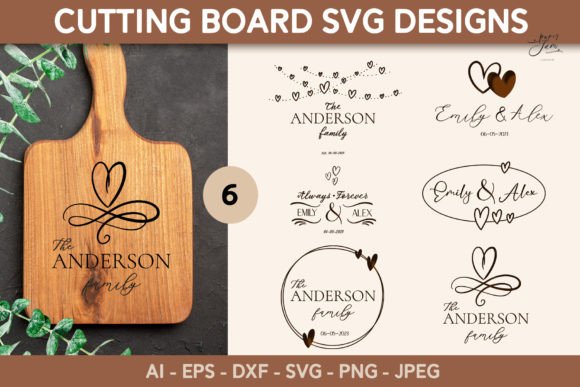
When I first opened the Cutting Board SVG Wedding Kitchen Svg bundle, my immediate thought wasn't about laser cutting or wooden signs. As an embroidery designer who spends hours staring at stitch files and testing thread colors, I saw a potential custom apron or kitchen towel project before I even looked at the vector lines. The product description mentions it is a Glowforge design and includes six variations, but for us in the machine embroidery world, the real question is: does this translate well to fabric? Can it hold up on a high-wear item like a chef's coat or a delicate tea towel? This review looks at how this specific design performs when moved from a digital file to a finished stitched product.
First Impressions of the Design Personality
The visual personality of the Cutting Board SVG Wedding Kitchen Svg feels warm, inviting, and distinctly domestic. It carries that classic monogram vibe that works perfectly for wedding gifts or newlyweds setting up their first home. In the context of Crafts and Graphics, this stands out because it bridges the gap between a purely decorative element and a functional kitchen motif. When I visualize this design embroidered onto a white cotton canvas tote bag, the layout suggests a central placement that draws the eye without overwhelming the fabric. The theme creates a mood of celebration and hospitality, which is exactly what you want when selling personalized gifts or boutique products.
However, the "cutting board" aspect introduces a unique challenge. Unlike a simple floral vine or a basic script font, a cutting board shape often implies a frame or a border. If the original vector has thick lines intended for laser engraving depth, those same lines can look clunky if stitched with standard satin stitch density. My initial assessment is that this design relies heavily on clean lines and negative space to remain legible once transferred to thread. It feels best suited for items where the background is solid and uncluttered, allowing the monogram and the board outline to breathe.
Real-World Application: The Custom Apron Scenario
To truly test the viability of the Cutting Board SVG Wedding Kitchen Svg, I imagined a specific client scenario: a bride-to-be ordering a set of matching aprons for her bridal party. She wants something practical for the rehearsal dinner prep but also stylish enough to be kept as a keepsake. I decided to mock up the design on a heavy-duty linen apron.
In this scenario, the design acts as a focal point on the bib area. The key here is thread color contrast. A light beige thread on a cream apron might get lost, whereas a deep navy or burgundy satin stitch would pop beautifully against the natural linen texture. Because the design includes a monogram element, it allows for personalization, which is crucial for Etsy sellers and small business owners looking to increase perceived value. Customers are willing to pay more for a product that feels bespoke, and seeing their initials integrated into a "kitchen" theme adds a layer of emotional connection.
If I were to use this for a sweatshirt embroidery project, the result would be cozy and casual. However, the curved nature of a shoulder or sleeve might distort the straight lines of the cutting board graphic. For a flat surface like a pillow cover or a large kitchen towel, the design shines. It transforms a plain textile into a statement piece. The fact that the bundle includes six designs means I could create a coordinated set: one for the main apron, one for a smaller hand towel, and perhaps a variation for a baby onesie, creating a cohesive gift set that appeals to modern buyers.
Technical Challenges and Fabric Considerations
While the concept is strong, moving this file from a screen to a sewing machine requires careful planning. Not all embroidery files are created equal, and a file optimized for a laser cutter often needs adjustment for thread. One major concern is the stitch density. If the Cutting Board SVG Wedding Kitchen Svg was designed with fill stitches that are too dense, the fabric could pucker, especially on thin materials like silk or lightweight cotton blends. This is a common pitfall for designers who take vector graphics and convert them directly without checking the stitch count.
I would advise caution when using this design on stretchy fabrics or curved surfaces like caps. The structural integrity of a cutting board shape relies on straight edges; if the hoop distorts the fabric slightly during stitching, the geometry can look warped. For these applications, a stabilizer choice becomes critical. A cut-away stabilizer is usually necessary for heavier garments like hoodies to prevent the design from pulling away after washing. On lighter items like baby clothes or tea towels, a tear-away might suffice, but only if the design isn't too heavy.
Another technical hurdle is the detail level. If the monogram or the text within the design is very small, running stitch might not capture the sharpness required for readability. Tiny lettering can become a blob of thread if the hooping isn't perfect. Before committing to a full production run for a commercial embroidery project, I always recommend testing the design on scrap fabric first. This helps you gauge how the thread behaves and whether the design holds its shape under tension.
Visual Appeal and Product Value
The success of any handmade product often comes down to the finishing touches. A well-executed Cutting Board SVG Wedding Kitchen Svg elevates a simple item into a premium gift. When customers see a crisp, clean monogram on a high-quality towel, they perceive higher value. This is vital for Etsy sellers and craft fair vendors who need their products to stand out in a crowded marketplace. The design's versatility allows it to fit into various niches, from holiday gifts to boutique branding.
For digital product sellers, this design offers a great opportunity to create printable mockups. Showing the design on different backgrounds—dark wood, white tile, or colorful linens—can help potential buyers visualize the final result. However, transparency is key. If the design is intended for commercial use, confirming the license terms is non-negotiable. Many vector files come with restrictions on how many physical items you can sell. Always check the licensing agreement before listing a finished product on your shop.
Practical Designer Notes for Success
If you are planning to incorporate the Cutting Board SVG Wedding Kitchen Svg into your workflow, keep these practical tips in mind to ensure a professional finish:
- Test on Scrap First: Never start a client project without a test run. Check for puckering, thread breaks, and alignment issues.
- Review Stitch Density: Ensure the fill stitches aren't too heavy for the fabric weight you are using. Lighter fabrics need lighter stitches.
- Check Thread Colors: Compare your thread choices against the fabric. High contrast usually yields the best results for detailed shapes.
- Inspect Small Details: Zoom in on the digital file to ensure that tiny letters or intricate corners will stitch cleanly.
- Confirm Hoop Size: Make sure the design fits comfortably within your machine's hoop without cutting off important elements.
- Use Proper Stabilizer: Match the stabilizer type (cut-away vs. tear-away) to the fabric's stretch and durability needs.
- Verify Licensing: Double-check if the file allows for commercial sale of finished goods before you begin production.
Ultimately, the Cutting Board SVG Wedding Kitchen Svg is a versatile asset for any creative entrepreneur. Whether you are making custom apparel, personalized gifts, or boutique merchandise, this design provides a solid foundation. By paying attention to the technical details of embroidery—hooping, stabilizing, and thread selection—you can turn a simple digital vector into a stunning, market-ready product that customers will love.